Humanitarian Action
Trainers
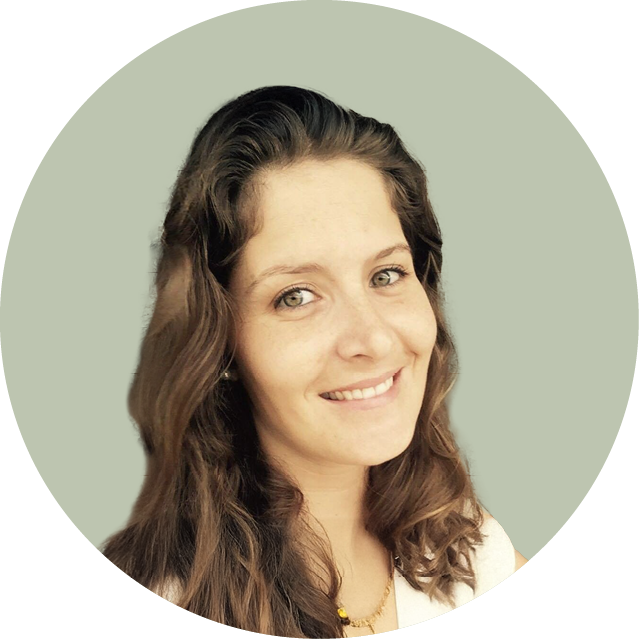
Alexandra Valério
Alexandra Valério is a dedicated humanitarian protection specialist with over 14 years of fieldwork experience, primarily focused on Gender-Based Violence (GBV), Child Protection, and Protection from Sexual Exploitation and Abuse (PSEA). Her career has taken her to various emergency settings, including the Rohingya response in Cox's Bazar, Bangladesh, and crises in Liberia, DR Congo, and Mozambique. In these challenging environments, Alexandra has contributed to protection programming, coordinated interagency mechanisms, and strengthened the capacity of aid workers to integrate protection across humanitarian operations. Originally from the Algarve, Portugal, Alexandra works with the International Organization for Migration (IOM) Headquarters in Geneva, Switzerland. Alexandra's professional journey includes significant contributions to UN agencies like UNICEF and IOM and numerous non-governmental organizations (NGOs), consistently advocating for and implementing protective measures for vulnerable populations.
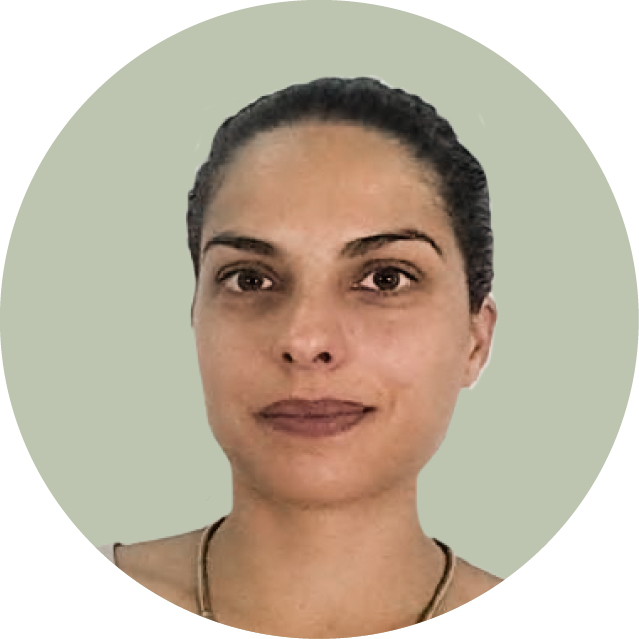
Ana Filipa Neves
Her professional career has been developed in the areas of health training, pathology, and clinical intervention in emergencies. Clinical research in neurosciences and methodological design for clinical trials, including a merit scholarship awarded by the Faculty of Medicine of Coimbra. Basic Life Support trainer at IEFP.
She began volunteering with missions in Brazil in emergency and traumatology and Cape Verde in community health. She has been a volunteer for the Portuguese Red Cross since 2008 and for Médecins du Monde since 2019, where she is part of international projects and missions, particularly in Mozambique.
She is currently an intern with specific training in Urology and a collaborator with the Research Group in Disaster Medicine and Public Health at the Faculty of Medicine and Biomedical Sciences of the University of Algarve.
PBL trainer and tutor at the Humanitarian Action Postgraduate Course at the FMCB UAlg.
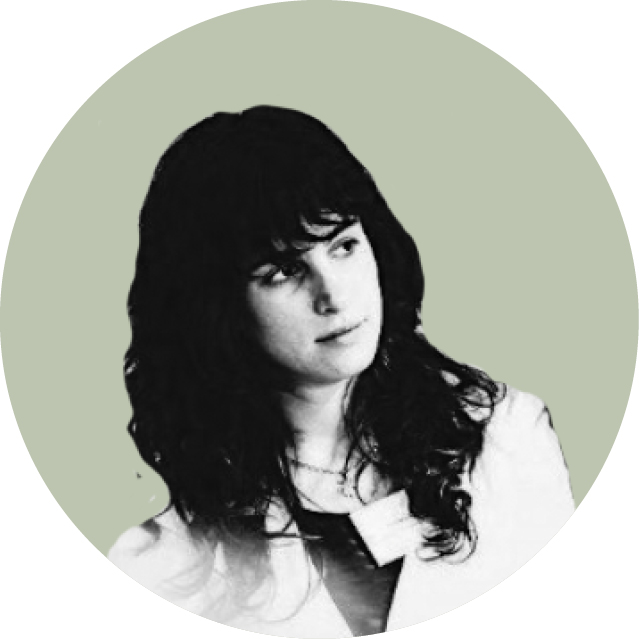
Andreia Oliveira
Andreia is an international development professional with over 14 years of policy and programme experience and who has worked in, on or with India, Mozambique, Guinea-Bissau, São Tomé and Principe, Angola, Kenya, Ethiopia, Uganda, and Tanzania. She has long-standing practice in developing, implementing, and evaluating civil society projects. Her knowledge includes areas such as global health, sexual and reproductive health and rights, gender equality, youth empowerment and enabling space for civil society.
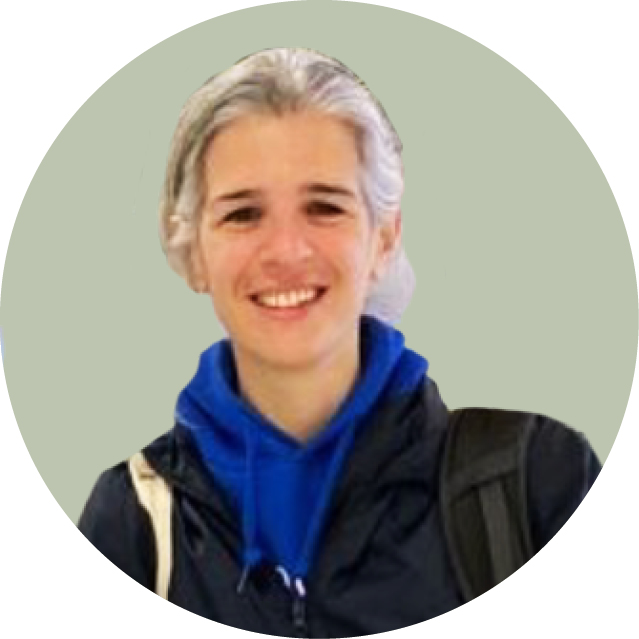
Ana Pinto de Oliveira
Consultant to the World Health Organization's Technical Group on Immunization for the African Region.
She is the coordinator of the Disaster Medicine and Humanitarian Action Research Group at the Faculty of Medicine and Biomedical Sciences of the University of Algarve. She is currently SPHERE's focal point in Africa and South America for the Center for Humanitarian Analytics. She was Director of Humanitarian Action at the governmental organization Médecins du Monde.
With an Integrated Master's Degree in Medicine from the Faculty of Medicine and Biomedical Sciences of the University of the Algarve (2015), she is an internal doctor for Specific Training in Public Health at ACES do Arco Ribeirinho; She has a degree in Biology (2000) from the Faculty of Science and Technology of the University of Coimbra, a Master's degree in Microbiology (2004) from the University of Aveiro, a PhD in International Health from the Institute of Hygiene and Tropical Medicine of the New University of Lisbon and a degree in Humanitarian Missions, Disasters and Conflicts (2020) and Biomedical Sciences (2001).
She is also the coordinator of the Cycle of Seminars on Medical Cultural Competence and the Postgraduate Course in Humanitarian Action at the FMCB of the UAlg.
More than 90 papers have been published and presented at national and international scientific meetings, and she has provided scientific guidance for various internships and master's degrees.
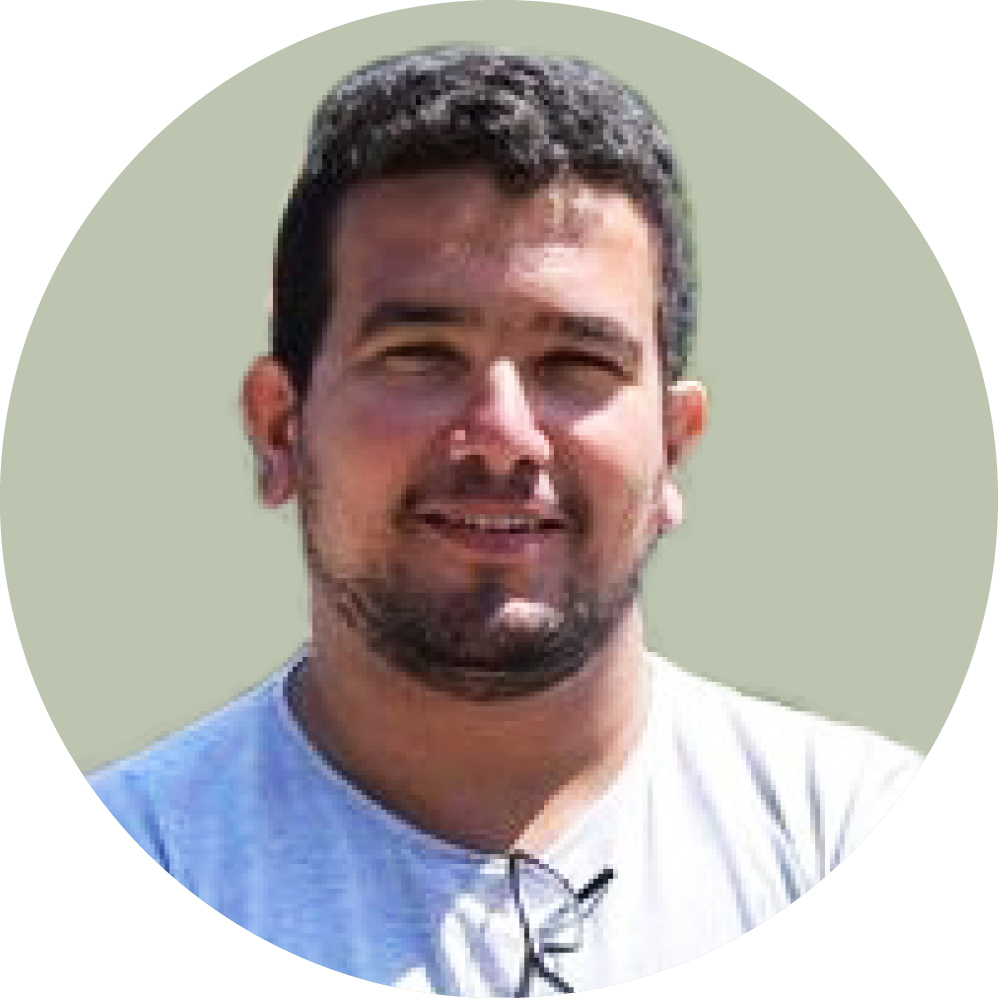
Calil Makhoul
PhD student in Forensic Anthropology at the University of Coimbra, Portugal; master’s in biotechnology, specializing in Forensic Entomology at the American University of Science and Technology in Lebanon; Degree in Biology at the Lebanese University; Specialization in International Criminal Investigation; Forensic Specialist at the International Committee of the Red Cross in Lebanon; Level II Certificate in the European Society of Forensic Anthropology (C-FASE).
He is a researcher at the Center for Functional Ecology (CFE) and the Chemistry-Molecular Physics R&D Unit (University of Coimbra - Portugal). He is a member of the HOT BONES project. He teaches Forensic Anthropology at ISCSP.
In 2021 and 2022, he worked at the National Institute of Legal Medicine and Forensic Sciences - Portugal, as an Assistant Technician. Between 2016-2022, he was a volunteer at the Portuguese Red Cross - Coimbra Delegation - Portugal. Between 2007-2014, he belonged to the Lebanese Red Cross..
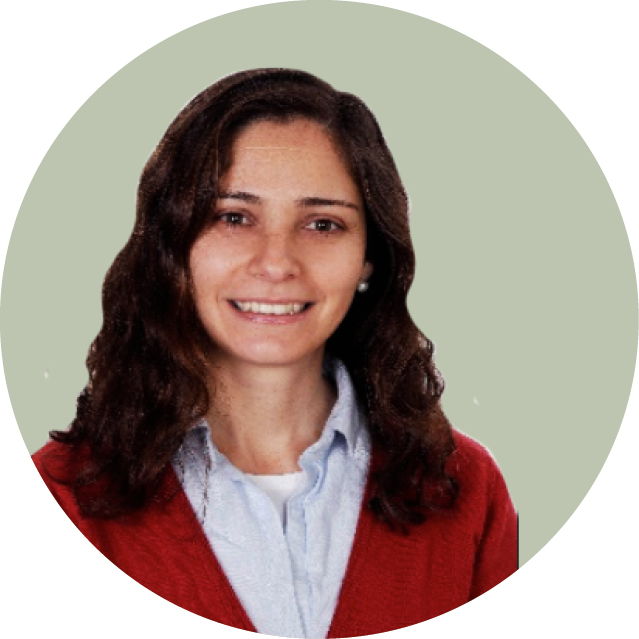
Carla Ganhão
Carla Ganhão is a nutritionist with a degree from the Faculty of Nutrition and Food Sciences of the University of Porto and a post-graduate degree in Health and Development from the Institute of Hygiene and Tropical Medicine of the New University of Lisbon. She specializes in nutrition and public health, with a particular interest and expertise in food and nutrition security policies and strategies, the design, development and management of food and nutrition security projects and programs, including analysis, research, monitoring and evaluation.
With more than 10 years' experience in Africa, she has held positions as Program and Project Coordinator for the Government of Mozambique, Counsellor for the Danish Ministry of Foreign Affairs, and consultant for a World Bank project. She participated as Senior Technical Officer for the Mid-Term Review of the Multisectoral Plan to Reduce Chronic Malnutrition in Mozambique.
Since 2019, she has been working in Emergency Nutrition, having worked as Emergency Nutrition and HIV Coordinator during and after Cyclone IDAI (Sofala, Mozambique) and is currently coordinating an emergency project in response to COVID-19 in Luanda Province, Angola.
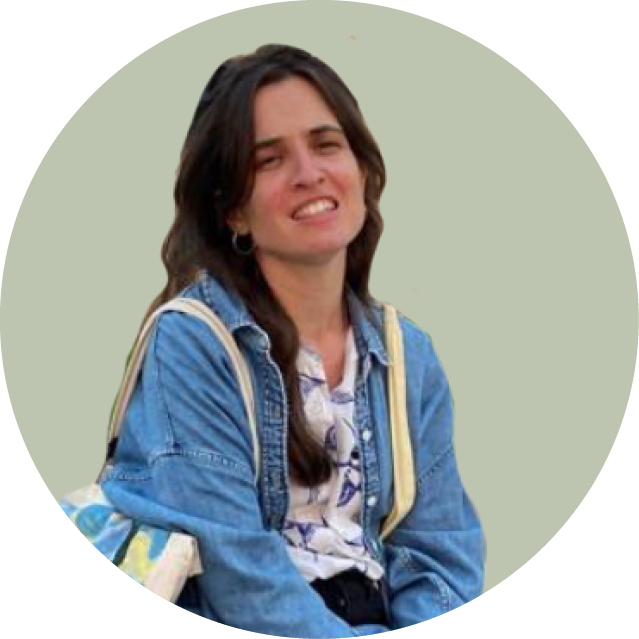
Catarina Oliveira
Public Health Physician [Integrated master’s degree in medicine at the Faculty of Medicine of the University of Porto (2004-2010); Specific training in Public Health (2012-2016)], Director of the National Projects Department at Médicos do Mundo since 2020. PhD student in the International Health Doctorate Course, Institute of Tropical Medicine, and Hygiene. She is part of Médecins du Monde's Humanitarian Action projects.
Collaborator with the Disaster Medicine and Public Health Research Group at the Faculty of Medicine and Biomedical Sciences of the University of Algarve.
PBL trainer and tutor at the Humanitarian Action Postgraduate Course at the FMCB UAlg.
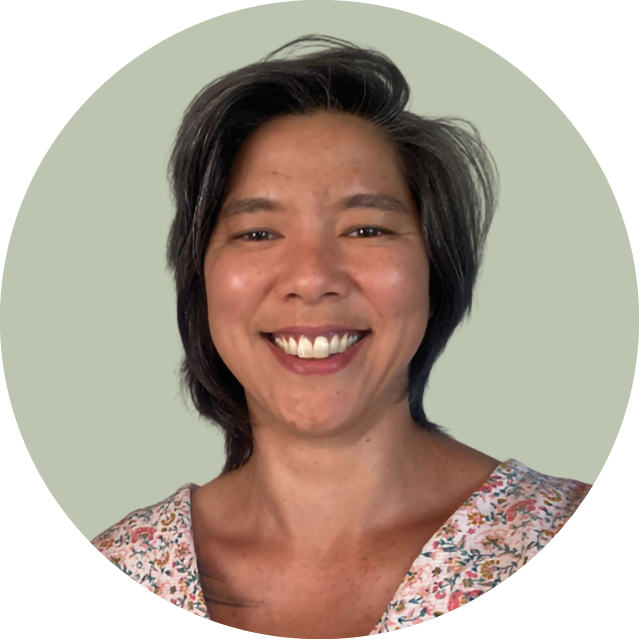
Cecília Hirata
Graduate of the Faculty of Medicine of the University of São Paulo (BR). Specialist in Clinical Medicine (BR). Master’s in medicine from the University of Porto (PT). She has taken part in 13 humanitarian missions in the context of epidemics, conflicts, and disasters.
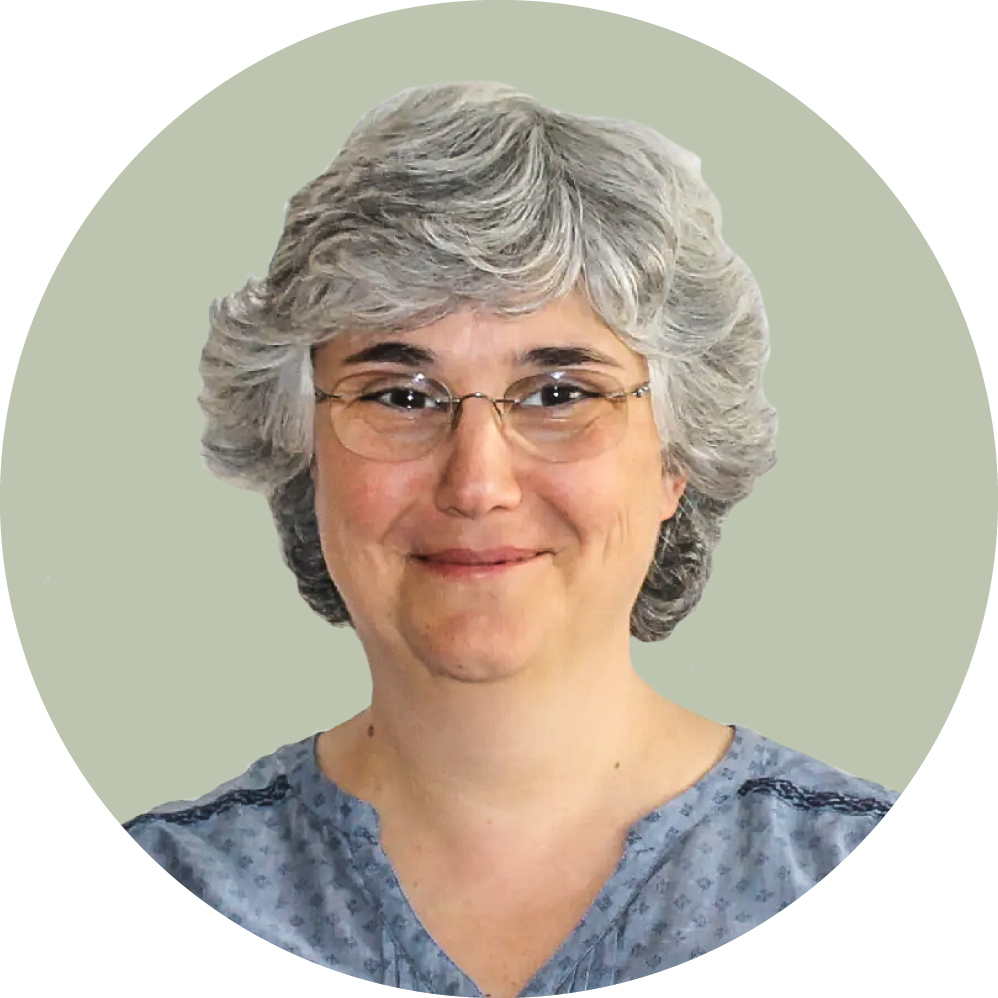
Cláudia Conceição
Assistant Professor at the Institute of Hygiene and Tropical Medicine, Universidade Nova de Lisboa (IHMT NOVA).
Her teaching activity has taken place over the last 20 years at various higher education institutions in Portugal. These include the IHMT, the National School of Public Health (Universidade Nova de Lisboa) and the School of Medicine at the University of Minho.
She is a doctor specializing in internal medicine and has a PhD in International Health, Health Policies and Development from the New University of Lisbon, Institute of Hygiene and Tropical Medicine.
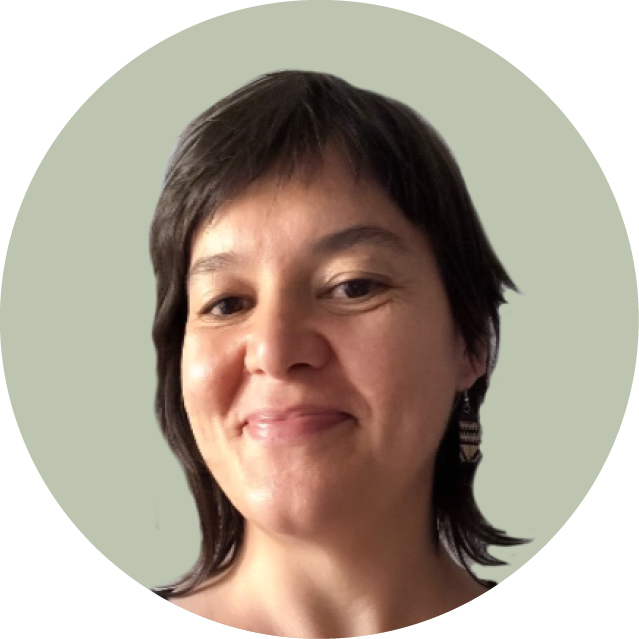
Dora Rebelo
Dora has been a psychologist since 2000, from the Faculty of Psychology of the University of Lisbon. She specializes in Systemic Family Therapy from the Association of Family and Community Therapy (Post-Graduation 2005-2007) and from the School of Family Therapy at the San Pau Hospital (master’s degree 2007-2009 at the Autonomous University of Barcelona). She did a clinical internship at the Roberto Clemente Center in New York from 2009 to 2010. Since then, she has worked on humanitarian mental health projects with people in situations of forced mobility, migrants, and ethnic minorities. Since 2010 she has collaborated with AMI, Médecins Sans Frontières, Médecins du Monde, The Center for Victims of Torture, War Trauma Foundation, Heartland Alliance International, Humanité & Inclusión, IOM and Konterra Group.
She is a consultant in MHPSS (Mental Health and Psychosocial Support), collaborating with an international network of mental health professionals from the humanitarian sector, following the recommendations and manuals created by the IASC (Interagency Standing Committee) and the humanitarian cluster system. She has also been certified by Harvard University since 2014 for completing the "Harvard Program on Refugee Trauma".
She holds a PhD in Anthropology from ISCTE-IUL and is a researcher associated with CRIA (Center for Networking and Research in Anthropology). Her research focuses on informal solidarity initiatives with people in situations of forced mobility, collaborating for this purpose with various solidarity and activism collectives with migrants and refugees. She uses a multidisciplinary, feminist and decolonial approach.
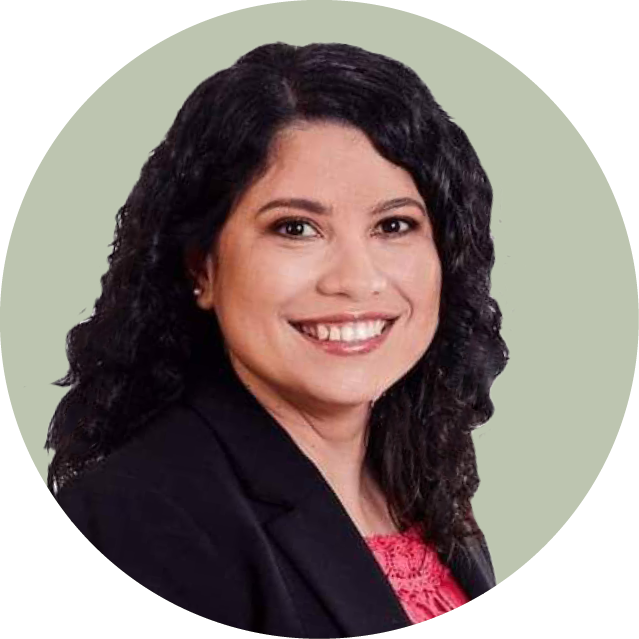
Emellin de Oliveira
Emellin de Oliveira is a Lawyer, Researcher at the Center for Research & Development on Law and Society (CEDIS, NOVA School of Law), Guest Lecturer at the University of Coimbra (European Studies) and PhD student at NOVA School of Law.
In addition, Emellin is a member of the "International Migration and International Law Committee" of the International Law Association, representing the Portuguese Society of International Law, and is part of the MoveS network, as a national expert (Portugal) on intra-EU mobility. She is also Co-founder and Executive Coordinator of the NOVA Asylum Policy Lab (NOVA FCSH) and a member of the Observatory for the Protection of Personal Data (NOVA School of Law), where she is responsible for the activities of the Research Line "Digital Borders - Data Protection, Surveillance and Third Country Nationals in the EU".
Her research interests focus on: migration, asylum, databases for third-country nationals, security, border control and human rights.
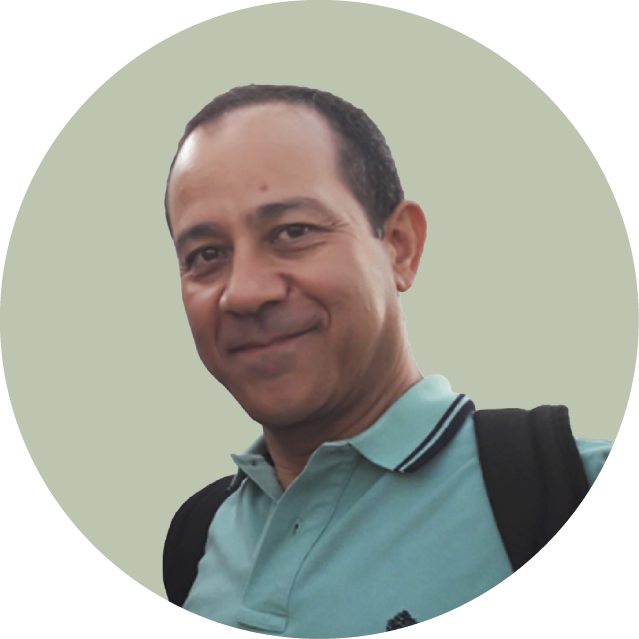
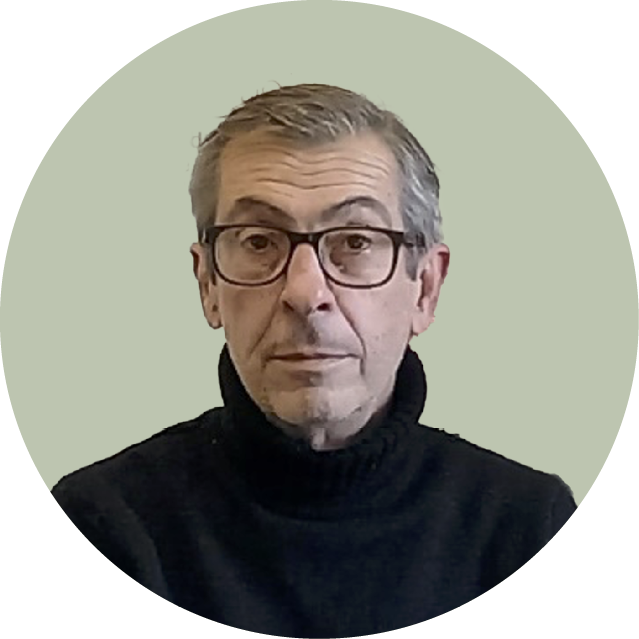
Fernando Cruz
Degree in Environmental Sciences, Universidade Aberta de Lisboa, 2014; Supplementary Training in Environmental Engineering, UAb, 2021; Degree in Geography and Regional Planning, Universidade Nova de Lisboa, 1992; Master's Degree in Urban and Regional Planning, Universidade Técnica de Lisboa, 1996; PhD in Geography and Regional Planning, Universidade Nova de Lisboa, specializing in New Technologies in Geography, 2008.
Assistant Professor on the PhD and Master's programs in Architecture at Lusófona University from 2011 until 2022. Senior Territorial Management and Planning technician at Oeiras City Council from 1999 until 2021; Assistant Professor on the Security, Emergency, and Civil Protection Management degree program at the Instituto Universitário Atlântico, Oeiras, Portugal.
He works to prevent major accidents involving dangerous substances at the Portuguese Environment Agency.
Fernando Florêncio
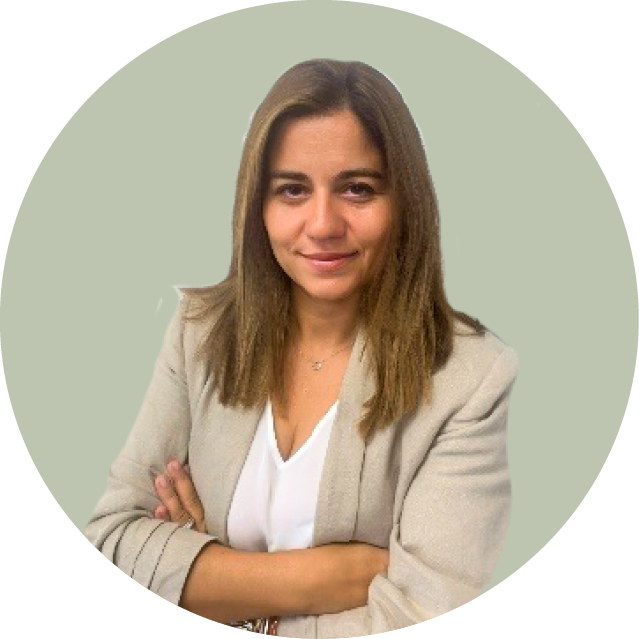
He has been a professor of Social Anthropology in the Department of Life Sciences at the University of Coimbra since 2001. He has taught various subjects related to African contexts, including Post-Colonial Dynamics in Africa, State and Ethnicity in Africa, Refugees and Displaced Persons: Conflicts and Population Movements in Africa, Political Power and Governance in Africa, and Art and Religion in Africa. And finally, Anthropology of Development and Humanitarian Aid, with a strong focus on African empirical examples.
He has been an integrated researcher at CRIA (Research Network Centre for Anthropology) since 2008, a collaborator at ISCTE-IUL's Centre for International Studies since 2008, and an eligible researcher (Foundation for Science and Technology) at ISCTE-IUL's Centre for African Studies from 2004 to 2007. He has been Deputy Director of APECER-UC (Academy for the Encounter of Cultures and Religions-UC) since 2020.
He has an MA and PhD in African Studies, both from IUL-ISCTE. He has researched in Africa on Political Anthropology, based on multiple fields stays among VaNdau (Mozambique, between 1994 and 2001) and Ovimbundo (Bailundo, Angola, between 2004 and 2010) populations. He has coordinated research projects, namely Social Dynamics in the Structuring of Political Spaces in Rural African Contexts, funded by the Foundation for Science and Technology, between 2005 and 2007, and sub-coordinator of the project Reconciliation and Social Conflict in the Aftermath of Large-scale Violence in Southern Africa: the cases of Angola and Namibia funded by the Volkswagen Foundation, between 2007 and 2011. He has published widely in national and international journals on a variety of topics, such as the role of traditional authorities in the construction of the local state, their relationship and participation in local political arenas, issues related to legal pluralism, and the formation of the rule of law in Africa; on traditional African religions and their relationship with exogenous religions; on fieldwork in Africa; on disaster management and political conflict (Mozambique, 2000); and about Rwandan genocide and the Kivu war.
Frederica Mateus
She holds a degree in International Relations and Political Science, transitioning into the Healthcare sector as a specialist in brand management and hospital business management.
Since 2011, she has been working as an Executive Manager in the health sector, serving as the founder of GF Pharma, a distributor of medicines and medical devices, and as a consultant for non-governmental organisations on emergency, public health, and human resources training projects.
She has always been involved in humanitarian projects in the health sector, with particular emphasis on her role as health product coordinator for OPERAÇÃO EMBONDEIRO, support for Cyclone Idai 2019, by the Portuguese Red Cross - Médicos do Mundo in 2019, as well as the fight against COVID by the Red Cross, Médicos do Mundo, and institutional projects.
She currently works as a consultant for Humanitarian Emergencies in Public Institutions and is a consultant for the Angolan Red Cross.
In recent years, she has managed several operations in these contexts, including support for Ukrainian pregnant women, combating cholera, monkeypox, and vaccination campaigns on the African continent.
Hanna Kaade
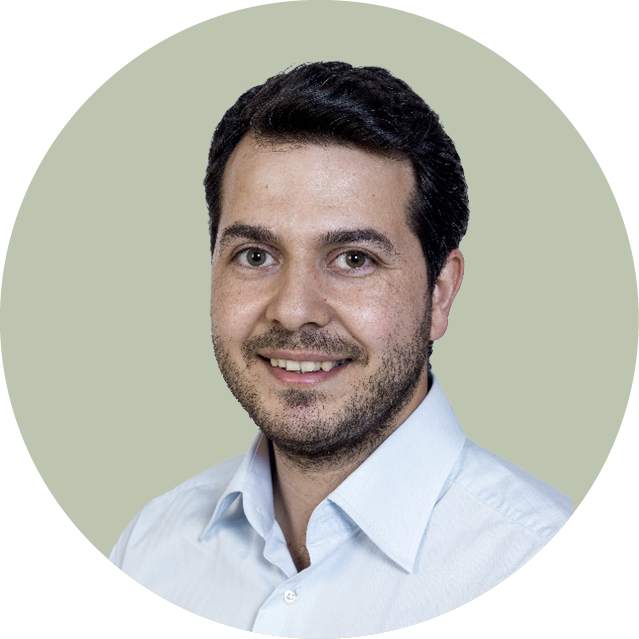
Hanna is a Syrian medical doctor working in Germany, specializing in general surgery and emergency medicine. In addition to being a Guest Researcher at the Brandenburg Medical University. Hanna moved to Germany in July 2016 to pursue the continuation of his residency; he had previously completed the first two years of his residency in Aleppo, Syria. Hanna has volunteered with the Syrian Arab Red Crescent for over 10 years (National First Aid Committee Member, First Aid, and Clinics Coordinator) and worked with the World Health Organization as a Public Health Officer and Health Coordinator in Syria from 2013 to 2016. Today, he is a member of the Community of Action for Ambulance Services in Risk Situations (HCiD Project).
Hanna is passionate about humanitarian work and its impact on health systems. Based on his experiences in surgery and public health, Hanna is keen to advance the mandate of Global Surgery, which led him to co-found the German Global Surgery Alliance (GGSA) in 2017.
Hanna is an International Delegate of the German Red Cross, representing it at various events and speaking on topics mainly related to Health, Emergencies, and Management, and is now a Health Advisor (Consultant) for the German Red Cross.
Hugo Coelho
He currently works at Caritas Portuguesa in the areas of communication, fundraising and national campaigns. He is currently a member of Caritas Europe's Fundraising Working Group.
He was a university lecturer for 4 years at Lusófona University, creating university outreach programs (ACC - Curricular Activities in the Community) together with Sociology and Social Work undergraduate students.
With professional experience in Corporate Social Responsibility (IBM), marketing and fundraising (Médicos do Mundo Portugal), communication and campaigns, he has worked in the social and community sector for over 15 years, particularly in the areas of health, emergency humanitarian aid, arts and culture, social inclusion, non-formal education and youth work and the solidarity economy. He is also the co-founder of several NGOs and social movements in Portugal (GivingTuesday, Mundos de Papel, etc.) and has worked as a volunteer in Brazil and Ecuador.
Jesus Zambrana
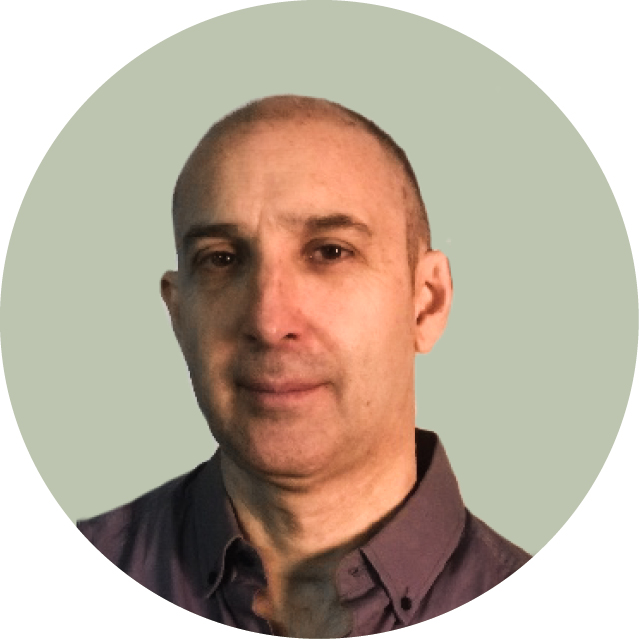
He is an Intensive Care Nurse at the Public Health Hospital of Andalusia, a Master in Humanitarian Medicine and a specialist in Water and Sanitation in Emergency Contexts.
He was Vice-President of Médecins du Monde, Spain and Andalusia delegation and a member of the International Operations Committee.
Coordinator of the University master’s degree in Humanitarian Action in Health in the module (assistance in epidemics, natural disasters, and conflicts); Professor in various Masters in Humanitarian Action and International Cooperation.
He has experience since 1998 as a cooperator and project coordinator in Guatemala, Nicaragua, El Salvador, Peru, Colombia, Haiti, Venezuela, Mozambique, Equatorial Guinea, Guinea Bissau, Ethiopia, Chad, Sierra Leone, Sahara, Albania, Pakistan/Afghanistan, Sri Lanka, Palestine, Philippines, and Syria.
Author of a chapter in the book "Water and environmental sanitation in emergency projects and development cooperation" (ISBN: 978-84-8138-774-2)
Author of a chapter in the book "Health in the humanitarian crisis" (ISBN: 978-84-9052-059-8)
Author of the article "Haiti: ten years of adding crisis and waiting for promises to be fulfilled" published in the Journal of Research and Education in Health Sciences (RIECS) of the Faculty of Medicine and Health Sciences of the University of Alcalá (Volume 5, Supplement of February 1, 2020) https://riecs.es/index.php/riecs/article/view/177
Joana Clemente
Born in 1982 in Lisbon, Joana Lopes Clemente has a degree in International Relations from the Instituto Superior de Ciências Sociais e Políticas and the Università degli Studi di Genova and a postgraduate degree in Development, Local Diversities and Global Challenges from the Instituto Superior de Ciências do Trabalho e da Empresa.
In 2004 she started a social support project which in 2007 became the Helpo Association (www.helpo.pt), where she is currently Executive Coordinator, promoting development and international cooperation projects in Mozambique and São Tomé and Príncipe and social support in deprived neighbourhoods in Portugal.
Karin Geffert
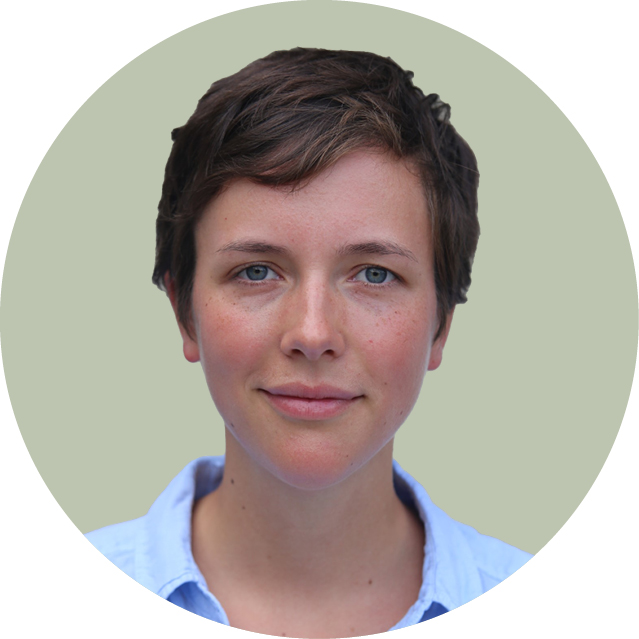
M.Sc., conducts research on public health and sustainability with a focus on interfaces between science, policy and practice.
She works as a researcher at the Pettenkofer School of Public Health, LMU Munich and has recently started her specialist training in public health. Her research focuses on finding solutions for climate adaptation in the context of public health services.
Over the last eight years she has been involved in various teaching and training roles, including the Training Disaster Medicine Training of IFMSA.
Since 2018 she has been engaged in various roles, currently as a consultant, in the water and climate programme of WHO/Europe with a focus on WASH in institutional settings.
Luís Medina
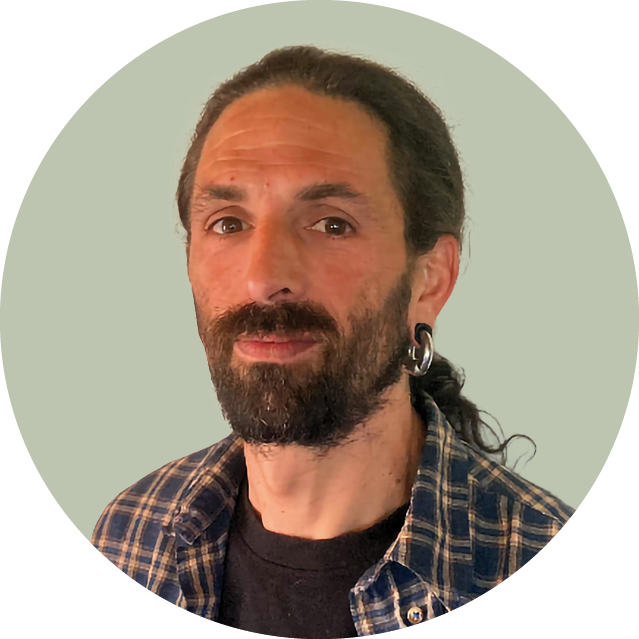
Graduated in International Solidarity Logistics from the Bioforce Institute (Lyon, France).
Between 2016 and 2021, he was part of humanitarian response teams in emergency contexts, such as epidemics, conflicts, and natural disasters,
ensuring logistical operations in the field (Iraq, Yemen, Mozambique, the Democratic Republic of the Congo, Lebanon, Brazil, among others).
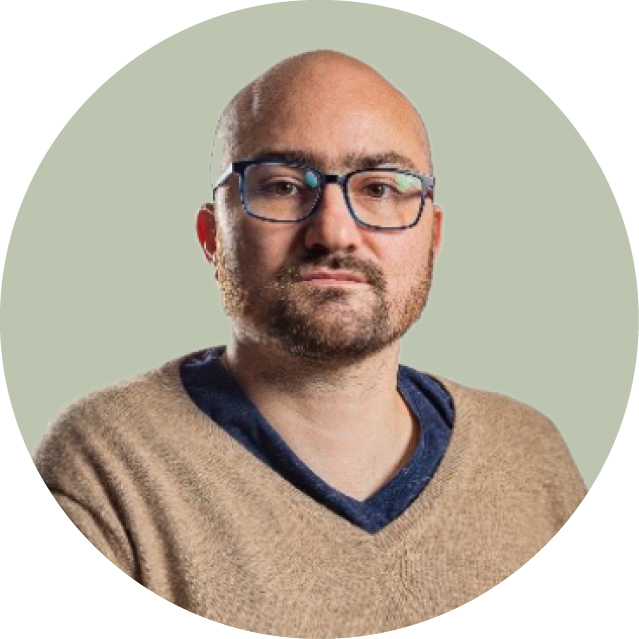
Marcello dell´Aringa
Marcello is a doctor who graduated from the University of São Paulo, Brazil, in 2008. He specialized in Intensive Care Medicine and worked as an intensivist at the Trauma ICU of the Hospital das Clínicas of the University of São Paulo (2014 - 2017).
He graduated from the European Masters in Disaster Medicine at the Università del Piemonte Orientale in Novara.
He is currently a PhD candidate in Global Health, in the joint program of CRIMEDIM (University of Eastern Piedmont) and the Free University of Brussels, where he studies the use of health services after disasters.
Since April 2020, he has also been working on the response to the COVID-19 pandemics as an intensive care physician at the Ss. Trinità Hospital in Borgomanero, Italy.
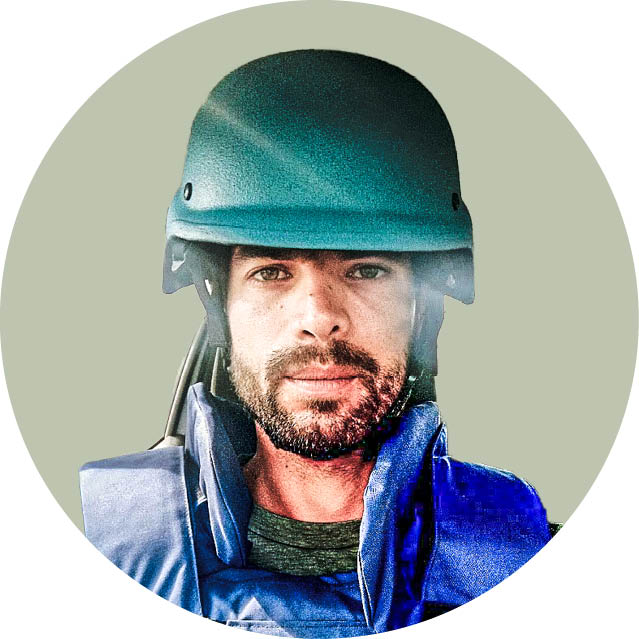
Pedro Freire
A professional with more than 15 years' experience in crisis response coordination and information analysis and management, in both emergency and international development contexts, Pedro Freire holds a Master's degree in Military Sciences from the Naval School and an Advanced Diploma in International Relations from the New University of Lisbon.
He served as a Marine Officer in the Portuguese Navy, where he took part in several Crisis Response Operations in different operational environments such as Afghanistan, Cape Verde, Democratic Republic of Congo, Guinea-Bissau, Guinea-Conakry, Ivory Coast and Kosovo.
In 2018 he joined the UN, working as a Protection Officer in refugee camps in Greece and Bangladesh, then as a Humanitarian Coordinator in Cabo Delgado - Mozambique, and more recently as an Information Management and Data Protection specialist in the East Asia and Pacific Regional Office.
He is currently working in Geneva as an advisor to the Inter-Agency Standing Committee, the UN body responsible for the global coordination of international humanitarian assistance.
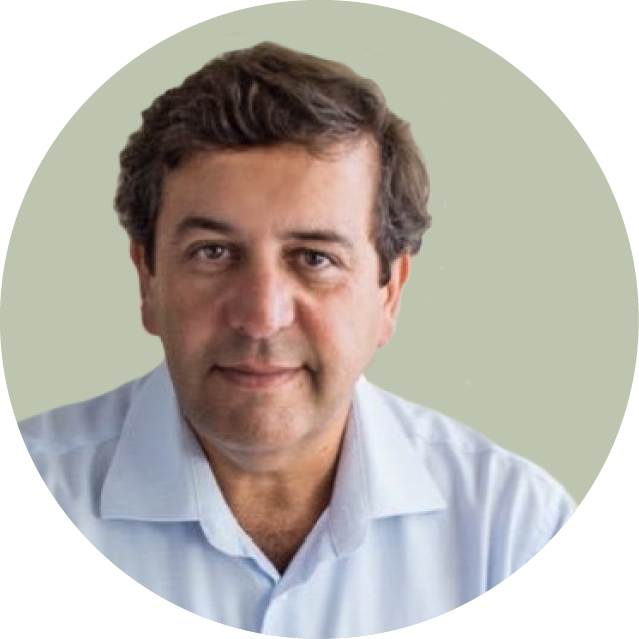
Pedro Monjardino
Pedro Monjardino has a law degree and 22 years' experience in managing logistics companies and preparing large-scale projects. He is currently Managing Director of logistics consultancy Strategio Consulting.
In 2003, he was responsible for the study and organization (organic structure and port operations) of the port of Nacala, Mozambique. From 2004 to 2008, he was responsible in Mozambique for the implementation of the North American Government's PEPFAR AIDS project, and during the same period he was an advisor to the representative of the United States Government in Mozambique for the implementation of the PEPFAR AIDS program. From 2004 to 2009, he was responsible for conceptualizing and implementing the logistics and customs model for Sasol's natural gas project in Temane, Inhambane Province, Mozambique.
He was logistics coordinator for Operation Embondeiro in support of cyclone IDAI 2019 in Mozambique, for the Portuguese Red Cross and Médicos do Mundo Portugal. Coordinator of the COVID-19 Vaccination Program, Government of the Azores Archipelago, between May and September 2021. He is currently Country Coordinator (Mozambique) for Médicos do Mundo Portugal and a volunteer for CASA (Cascais) and Todos por Moçambique (support for internally displaced people in Cabo Delgado province).
He is also currently working as a consultant for Humanitarian Emergencies (GF Care), having coordinated Operation Pregnant Ukrainians.
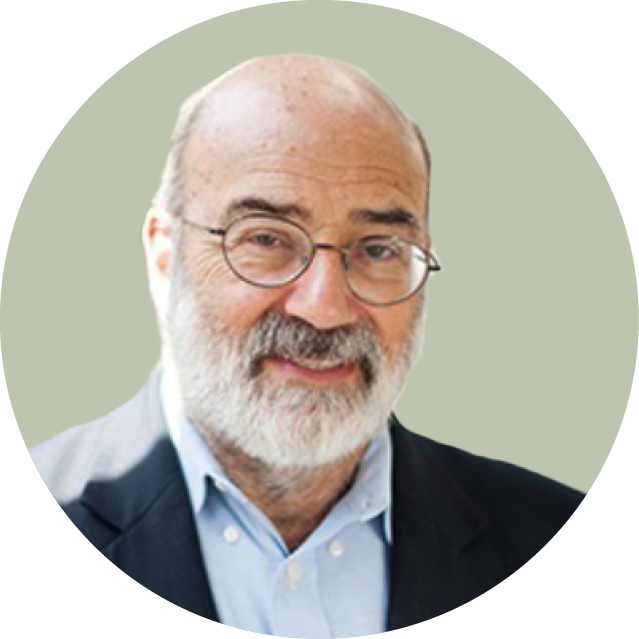
Ron Waldman
Ron Waldman, MD, MPH is Profesor Emeritus of Global Health at the Milken Institute School of Public Health of the George Washington University in Washington, DC.
He began his career as a volunteer in the World Health Organization’s Global Smallpox Eradication Program. He joined the US Centers for Disease Control and Prevention in 1979 and was posted to the Somali Democratic Republic to help establish that country’s Refugee Health Unit.
This experience led to studies on the epidemiology of health in large refugee populations and to a career-long interest in the study and promotion of humanitarian public health interventions in emergency-affected populations.
A series of publications analyzing trends and outcomes in health and nutrition helped inject public health science into the field of humanitarian relief and many of the findings have become standard elements of practice.
He has worked in many natural emergencies and conflict settings from 1979 to the present. He coordinated the US Government’s post-earthquake health sector relief effort in Haiti in 2010 and was a Senior Advisor to the UN during the Pakistan floods of that year. Outside of emergencies, he has served as Coordinator of the Cholera Task Force at WHO and has been focusing on pandemic preparedness since 2007.
He is President and Chairman of the Board of Directors of Doctors of the World – USA.

Stephen Blakemore
Stephen Blakemore is an independent consultant and trainer working with non-profit organizations in the UK and around the world.
He has a professional background in Human Resources Management and almost thirty years' experience in the field of training and group facilitation, mainly in humanitarian aid and development organizations.
With a reputation for his creative approach, Stephen has designed, led or contributed to a wide range of courses, workshops and conferences.
He has recently worked with ActionAid International, Care International, the European Interagency Security Forum, the International Rescue Committee (IRC), the Norwegian Refugee Council (NRC), Oxfam GB, RedR UK and Welthungerhilfe.
.
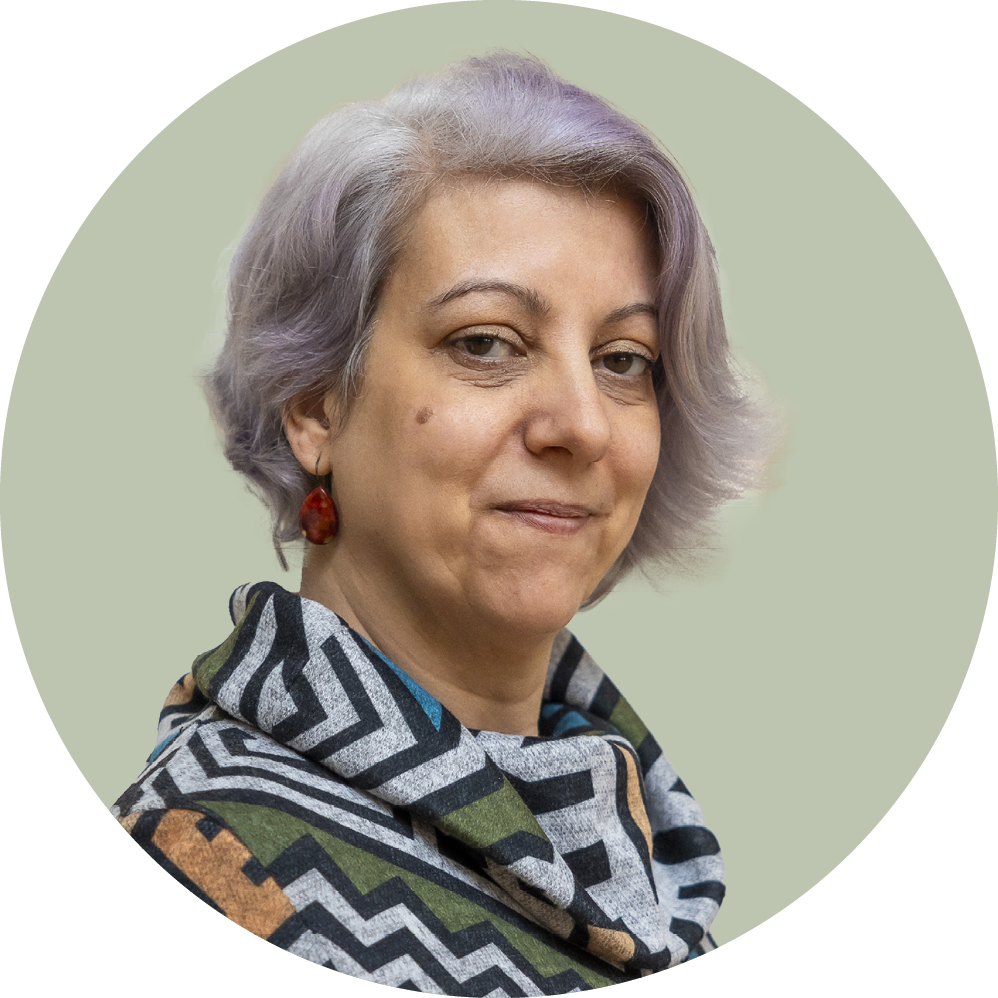
Sofia Nunes
Sofia Nunes, PhD in Education from the University of Huelva.
Senior Technician in the Medical Education Unit of the Faculty of Medicine and Biomedical Sciences.
Invited professor at the School of Education and Communication/ Faculty of Medicine and Biomedical Sciences of the University of Algarve, lecturing on the curricular units of Research Methodologies, Intercultural Education, Educational Policies, and Electives.
Member of the Algarve Biomedical Center Research Institute and the Medical Education Research Network.
Main areas of interest: Medical Education, Pedagogical Innovation, Cultural Competence.
Technical coordination of several Erasmus, Leonardo Da Vinci, and Eramus+ projects.
Participation and publication mainly in the Medical Education field, namely personality traits of medical students, assessment and academic performance, and cultural competence.
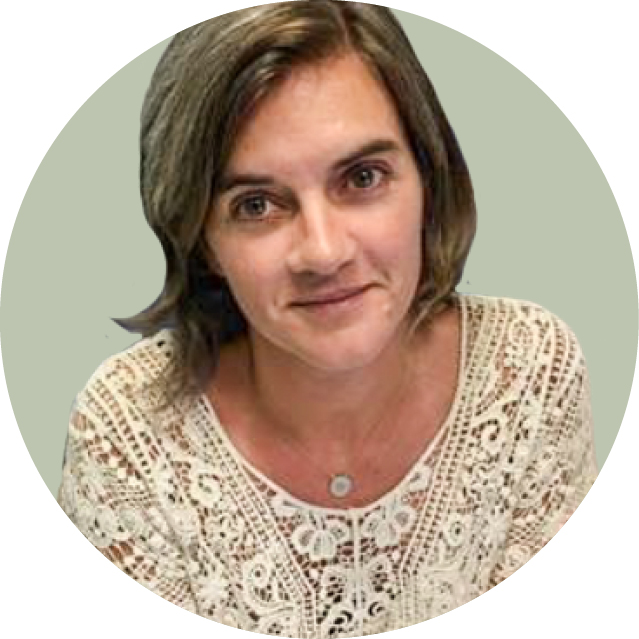
Susana Gonçalves
Susana Gonçalves has a degree in Management with a post-graduate degree in Humanitarian Intervention. She has over 17 years' experience in the social sector, with a particular focus on project coordination. In recent years she has dedicated herself to sustainability and fundraising at the NGO Médicos do Mundo.
She is a co-founder and member of several associations and has been a member of the Ethics Working Group of the Portuguese Platform for NGDOs since 2018, where she is involved in the creation of a Code of Conduct for NGDOs.
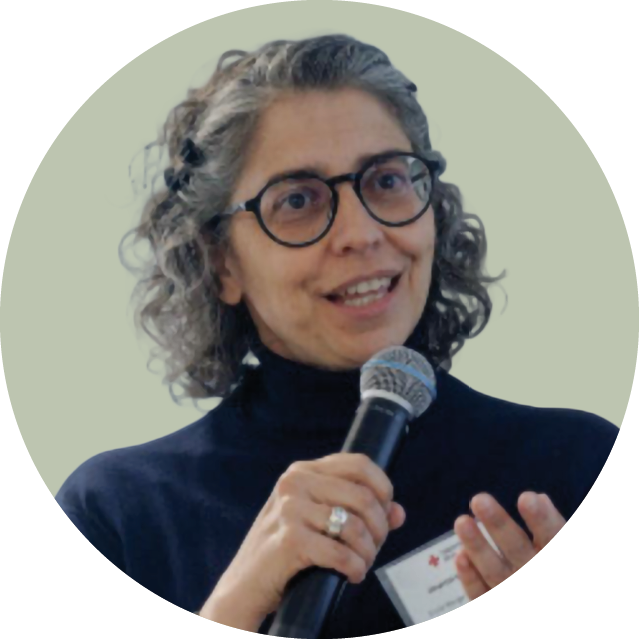
Susana Gouveia
Degree in Psychology (Coimbra) and Master's in Management, specialising in Human Resources (Évora). Psychologist, full member of the Portuguese Psychologists' Association, specialising in Occupational, Social and Organisational Psychology and Community Psychology;
certified by EuroPsy.
Expert and trainer in psychological crisis intervention. Lecturer in various postgraduate courses related to psychosocial intervention
In crisis, missions and humanitarian aid (Higher Institute of Social and Political Sciences of the University of Lisbon and the Faculty of Medicine and
Biomedical Sciences of the University of Algarve and the Portuguese Institute of Psychology and Other Sciences).
Associate researcher at the Trauma Observatory of the Centre for Social Studies at the University of Coimbra.
She has experience in two NGOs related to humanitarian work, however, her personal growth and professional development have taken place at the Portuguese Red Cross, where she has been working for 23 years, and where she is currently the manager of the EU4Health project - funded by the European Commission and aimed at the massive dissemination of Psychological First Aid. As part of this programme, she has been certified in various areas of humanitarian work as an International trainer by the International Federation of Red Cross/Red Crescent and the Mental Health and Psychosocial Support Hub.
Oradora Convidada
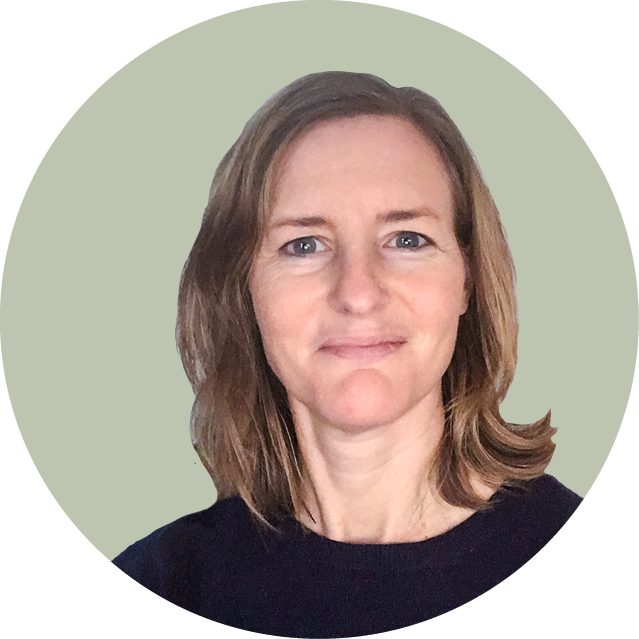
Sarah Lumdson
She has over 20 years' experience in managing and leading a range of humanitarian and development programmes.
Sarah began her humanitarian career with Médecins Sans Frontières, followed by 12 years at Oxfam and now works as an independent consultant. With Oxfam, Sarah has led humanitarian responses in Sudan, Indonesia, Kenya, Liberia and DRC with programmes focused on WASH, livelihoods and protection, with most implementations requiring significant security context analysis and management. With Oxfam, Sarah has also worked as a security consultant in Afghanistan and HQ and served as regional coordinator in East, West and South Africa and country director in Sudan. After extensive overseas deployments with Oxfam, Sarah went on to manage Oxfam's pool of Humanitarian Managers and develop and launch Humanitarian Management and Leadership Development programmes and supported the creation of a Humanitarian Competencies framework for use across the sector. Currently as a consultant, Sarah has mainly acted as a Humanitarian Advisor to the UK Government and provided advice and guidance to the UK Government's humanitarian responses to conflicts and natural disasters in Iraq, the Caribbean, Tanzania and Mozambique.
Faculty of Medicine and Biomedical Sciences
Campus de Gambelas, 8005-139 Faro
Phone: +351 289 800 095
Email: formacaofmcb@ualg.pt